
Nanotechnique in Spine Surgery
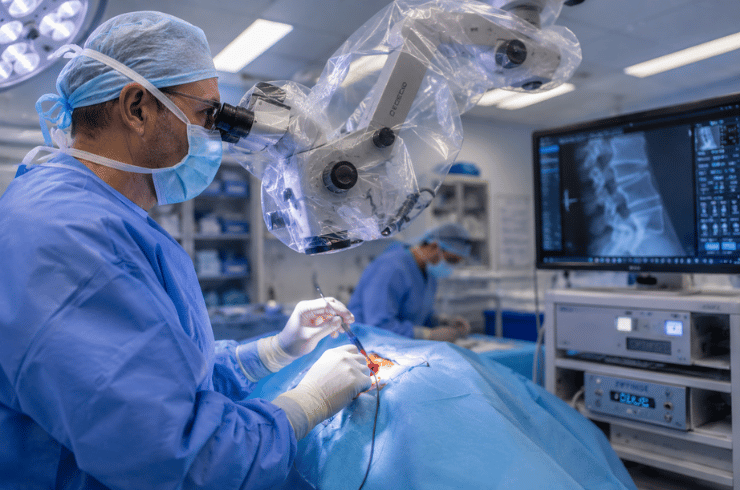
Nanotechnique in Spine Surgery
Nanotechnique in Spine Surgery represents an advanced approach within modern spinal care, focusing on precise surgical techniques and specialized technologies to address selected spinal conditions. At Dr Ratan Spine & Ortho Centre in Varanasi, advanced spine treatment is planned according to the patient’s diagnosis, symptoms, imaging findings and overall health, with the aim of achieving effective treatment while supporting recovery.
What Is Nanotechnique in Spine Surgery?
Nanotechnique in spine surgery refers to the use of advanced, precision-focused techniques and technologies in selected spinal procedures. The approach is intended to support accurate treatment of the affected spinal structures while taking into consideration the surrounding tissues.
The suitability of any advanced technique depends on the patient’s specific condition. A detailed assessment is therefore important before deciding whether this approach is appropriate.
Conditions Evaluated for Advanced Spine Treatment
Patients with different spinal problems may require specialized surgical evaluation. These can include:
- Disc-related spinal conditions
- Nerve compression
- Spinal stenosis
- Degenerative spine conditions
- Spinal instability
- Selected spinal injuries
- Complex spinal conditions requiring specialized surgical planning
- Certain cases requiring revision spine surgery
Precision-Focused Surgical Planning
Spine surgery requires careful planning because the spine contains important nerves and supporting structures. At Dr Ratan Spine & Ortho Centre, treatment begins with a detailed clinical evaluation and appropriate diagnostic imaging.
The surgical approach is selected based on the location and severity of the spinal problem, symptoms, previous treatment, imaging findings and overall health. Advanced techniques may be considered when they are clinically suitable for the individual patient.
Personalized Spine Care
There is no single surgical technique that is suitable for every spinal condition. Dr. Ratan Kumar Gupta, Consultant Spine & Orthopedic Surgeon and PMCH Gold Medalist, evaluates each patient individually before recommending treatment.
The focus is on identifying the underlying spinal problem and selecting an appropriate treatment strategy rather than using an advanced technique simply because it is available. When surgery is recommended, patients are guided about the procedure, expected recovery and rehabilitation requirements.
Potential Benefits of Advanced Techniques
When clinically appropriate, precision-focused spinal techniques may help surgeons target the affected area while considering preservation of surrounding structures. Depending on the procedure and condition, potential treatment goals may include:
- Accurate treatment of the affected spinal area
- Addressing nerve compression or structural problems
- Supporting spinal stability where required
- Minimizing unnecessary tissue disruption when possible
- Facilitating a structured recovery plan
- Improving mobility and functional outcomes
The expected benefits and risks vary depending on the specific procedure and the patient’s condition.
Recovery After Spine Surgery
Recovery following spine surgery varies according to the procedure performed and the patient’s individual health. Patients may require a period of restricted activity followed by gradual rehabilitation.