
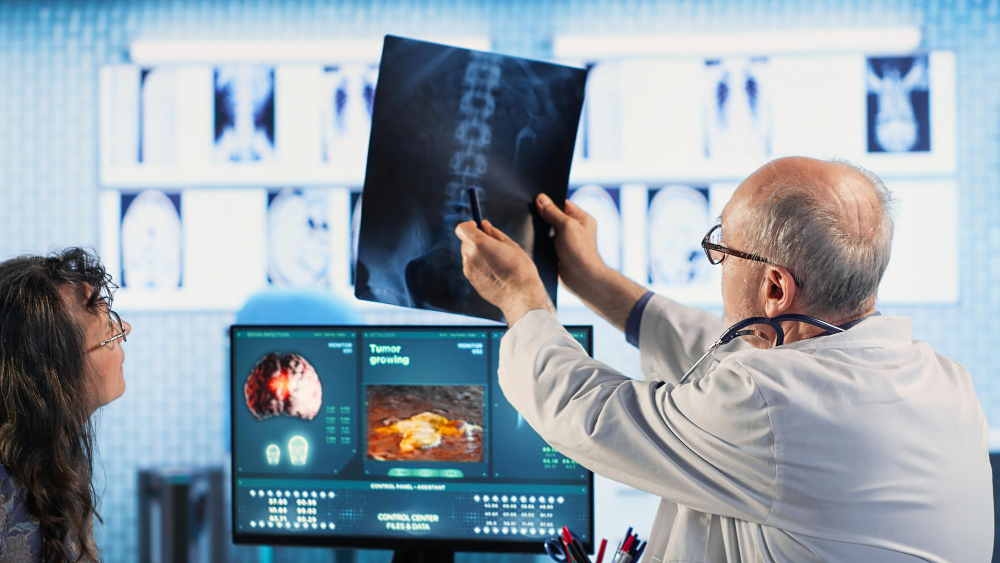
Introduction to Nanotechnique in Spine Surgery
Spine surgery has changed a lot in recent years. Now, nanotechnique in spine surgery is making procedures safer and more precise. This approach uses very small tools and materials, often at the scale of a nanometer. Because of this, doctors can work with great accuracy. As a result, patients may heal faster and feel less pain. Many experts believe that advanced precision in spine surgery is the future of care. According to the World Health Organization, new technology can help improve surgical results for many people.
How Nanotechnique Works in Spine Procedures
Nanotechnique uses tiny devices and materials during spine surgery. These tools are much smaller than a grain of sand. For example, surgeons may use nano-sized cameras to see inside the spine. They can also use special coatings on implants to help the body heal better. In some cases, doctors use nanoparticles to deliver medicine right where it is needed. Because these tools are so small, they can reach areas that were hard to treat before. This means less damage to healthy tissue.
Key Benefits and Improved Outcomes
Nanotechnology benefits for spinal procedures are clear. Patients and doctors both see many advantages. Here are some key benefits:
Because of these benefits, more people are choosing nanotechnique in spine surgery. Studies in peer-reviewed medical journals show that these methods can lead to better results for many patients.
Safety, Risks, and Considerations
Although nanotechnique in spine surgery is promising, it is important to know the risks. Like any surgery, there can be side effects. For example, some people may react to new materials used in implants. However, most patients do well with these advanced tools. Doctors always check for allergies and other health issues before surgery. In addition, hospitals follow strict safety rules. The Centers for Disease Control and Prevention (CDC) recommends careful monitoring during and after surgery. Always talk to your doctor about any concerns you have.
Recent Advances and Future Prospects
Every year, new advances in nanotechnique make spine surgery even safer. For instance, researchers are developing smart implants that can send signals to doctors. These implants help track healing and spot problems early. In the future, experts hope to use nanotech to repair nerves and tissues that were once impossible to fix. As technology grows, more people may benefit from improved outcomes with nanotech in orthopedics. The future looks bright for patients needing spine surgery.
Patient Guidance and What to Expect
If you need spine surgery, you may wonder what to expect with nanotechnique. First, your doctor will explain the procedure and answer your questions. Next, you will have tests to make sure you are ready for surgery. During the operation, surgeons use advanced precision in spine surgery to reduce risks. After surgery, you may recover faster than with traditional methods. However, you should always follow your doctor’s advice for the best results.
Prevention and Lifestyle Tips
While nanotechnique can help treat spine problems, prevention is still important. Here are some simple tips to keep your spine healthy:
Because a healthy lifestyle can prevent many spine issues, it is wise to take care of your back every day.
In summary, nanotechnique in spine surgery offers many benefits for patients. With advanced precision, doctors can achieve better outcomes and faster recovery. Consult a spine specialist Dr. Ratan to learn if nanotechnique is right for you.