Introduction
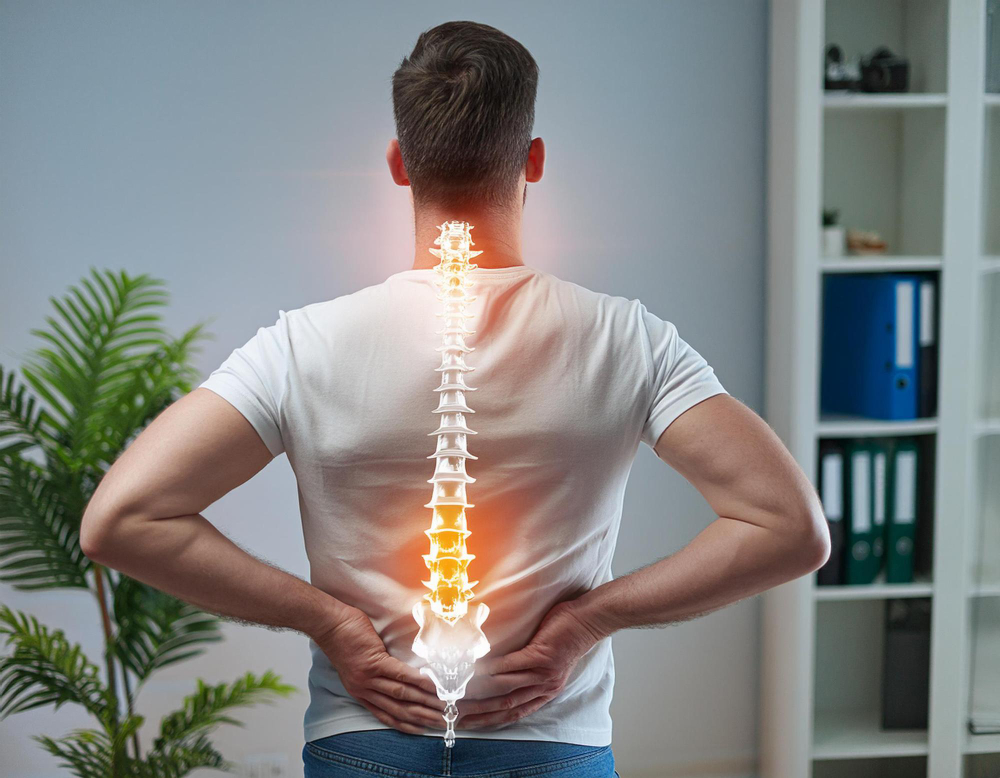
A herniated disc is a common cause of back pain. This condition can affect people of all ages, but it is more likely in adults. When a herniated disc occurs, it can press on nerves in the spine. As a result, you may feel pain, numbness, or weakness. Many people search for herniated disc symptoms and herniated disc treatment to find relief. Understanding this condition can help you make informed choices about your health.
What is a Herniated Disc?
First, it helps to know how your spine works. The spine is made up of bones called vertebrae. Between these bones are soft pads called discs. These discs act like cushions. They help your back move and absorb shock. However, sometimes the soft center of a disc pushes out through a crack in the outer layer. This is called a herniated disc. Because the disc bulges out, it may press on nearby nerves. This can cause pain or other symptoms. Doctors also call this condition a slipped disc or ruptured disc.
Causes of Herniated Disc
Many things can lead to a herniated disc. For example, normal aging can make discs weaker. Over time, discs lose water and become less flexible. As a result, they can tear or break more easily. Other causes include:
Although anyone can get a herniated disc, it is more common in people aged 30 to 50. According to the World Health Organization, back pain is a leading cause of disability worldwide.
Symptoms of Herniated Disc
Symptoms can vary based on where the herniated disc is located. For instance, a disc in the lower back may cause pain in the legs. On the other hand, a disc in the neck can cause arm pain. Common herniated disc symptoms include:
Sometimes, people have no symptoms at all. However, if you notice sudden weakness, trouble walking, or loss of bladder control, seek medical help right away.
Diagnosis of Herniated Disc
Doctors use several methods to diagnose a herniated disc. First, they ask about your symptoms and medical history. Next, they do a physical exam to check for pain, numbness, or weakness. Sometimes, they may order tests such as:
Because early diagnosis helps guide treatment, it is important to see a doctor if you have ongoing pain.
Treatment Options for Herniated Disc
Many people recover from a herniated disc without surgery. In fact, most cases improve with simple treatments. Non-surgical herniated disc treatment options include:
However, if symptoms do not improve, doctors may consider other options. Surgical treatment may be needed if:
Common surgeries include removing part of the disc or, in rare cases, replacing the disc. Orthopedic spine care teams can help decide the best treatment for each person.
Prevention and Lifestyle Tips
Although you cannot always prevent a herniated disc, some habits can lower your risk. For example, you can:
Because small changes can make a big difference, try to include these tips in your daily routine. If you have questions about back pain relief or herniated disc symptoms, talk to Dr. Ratan.